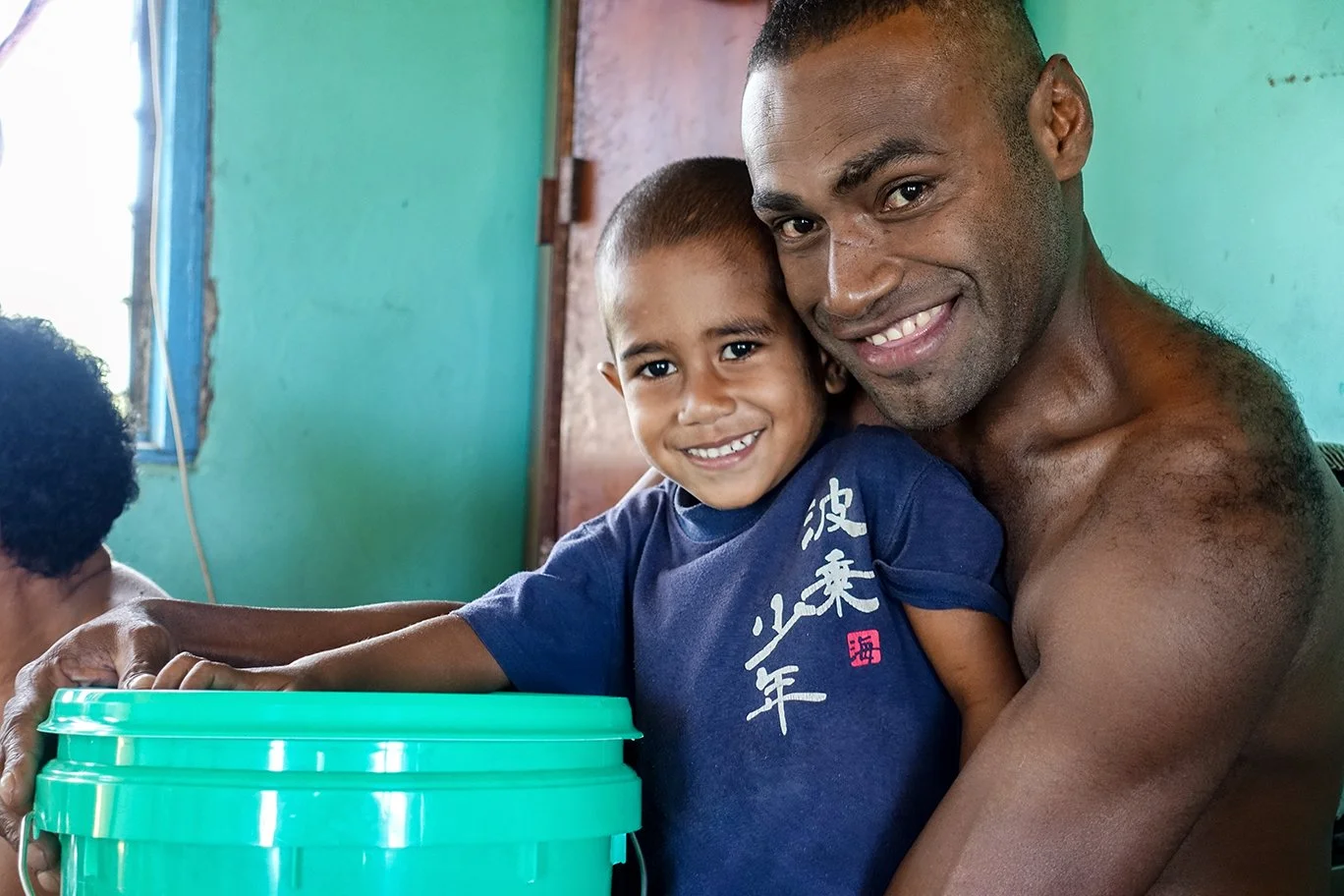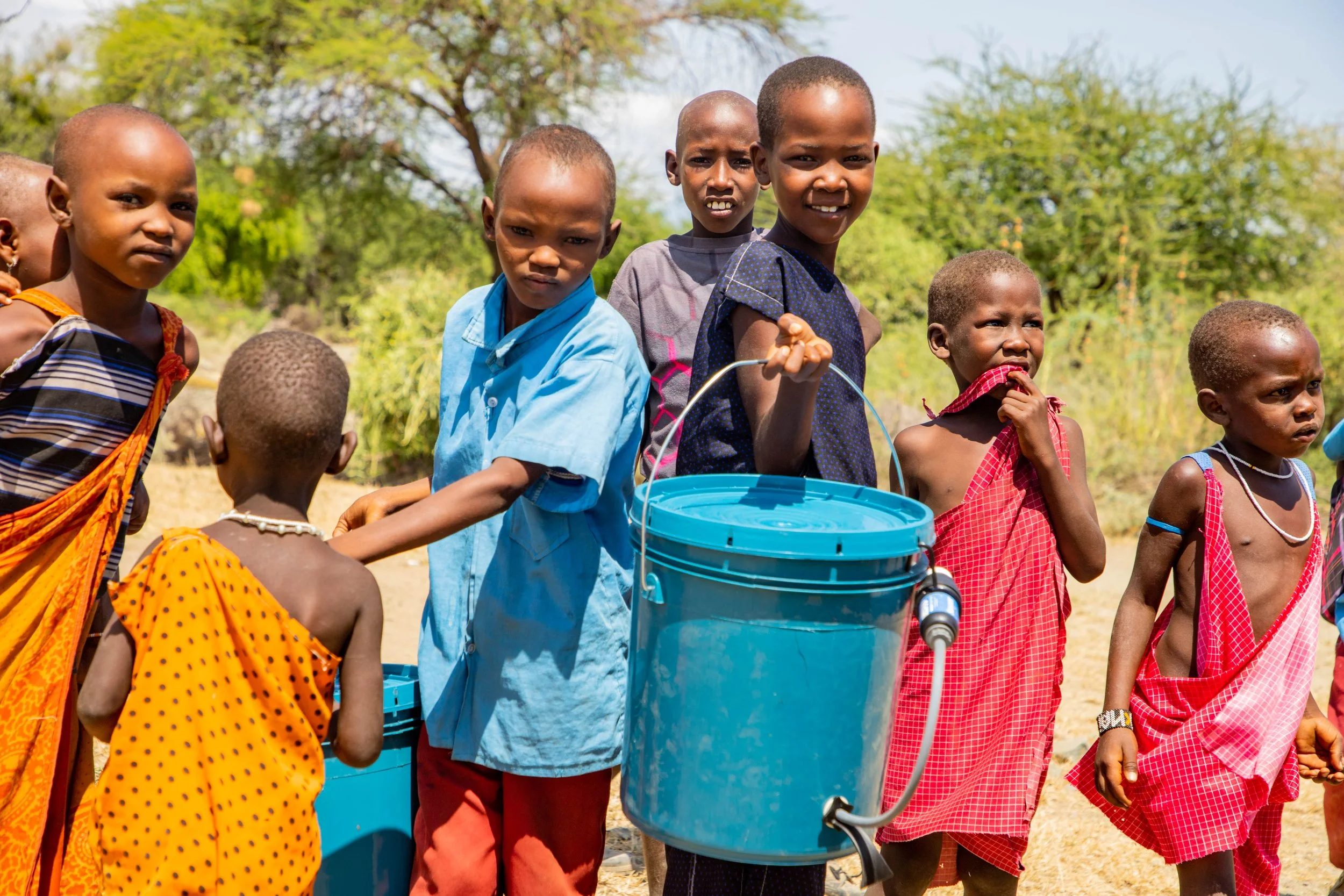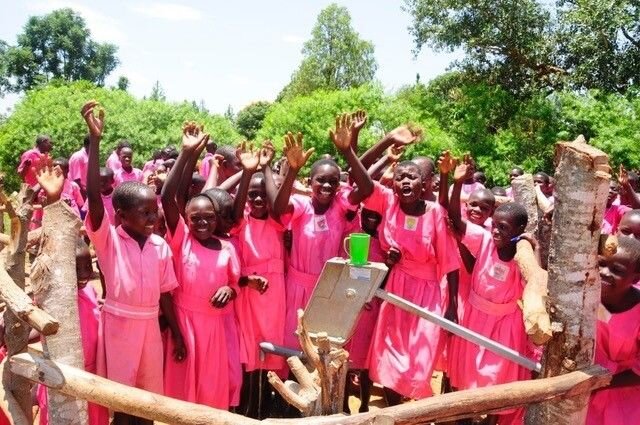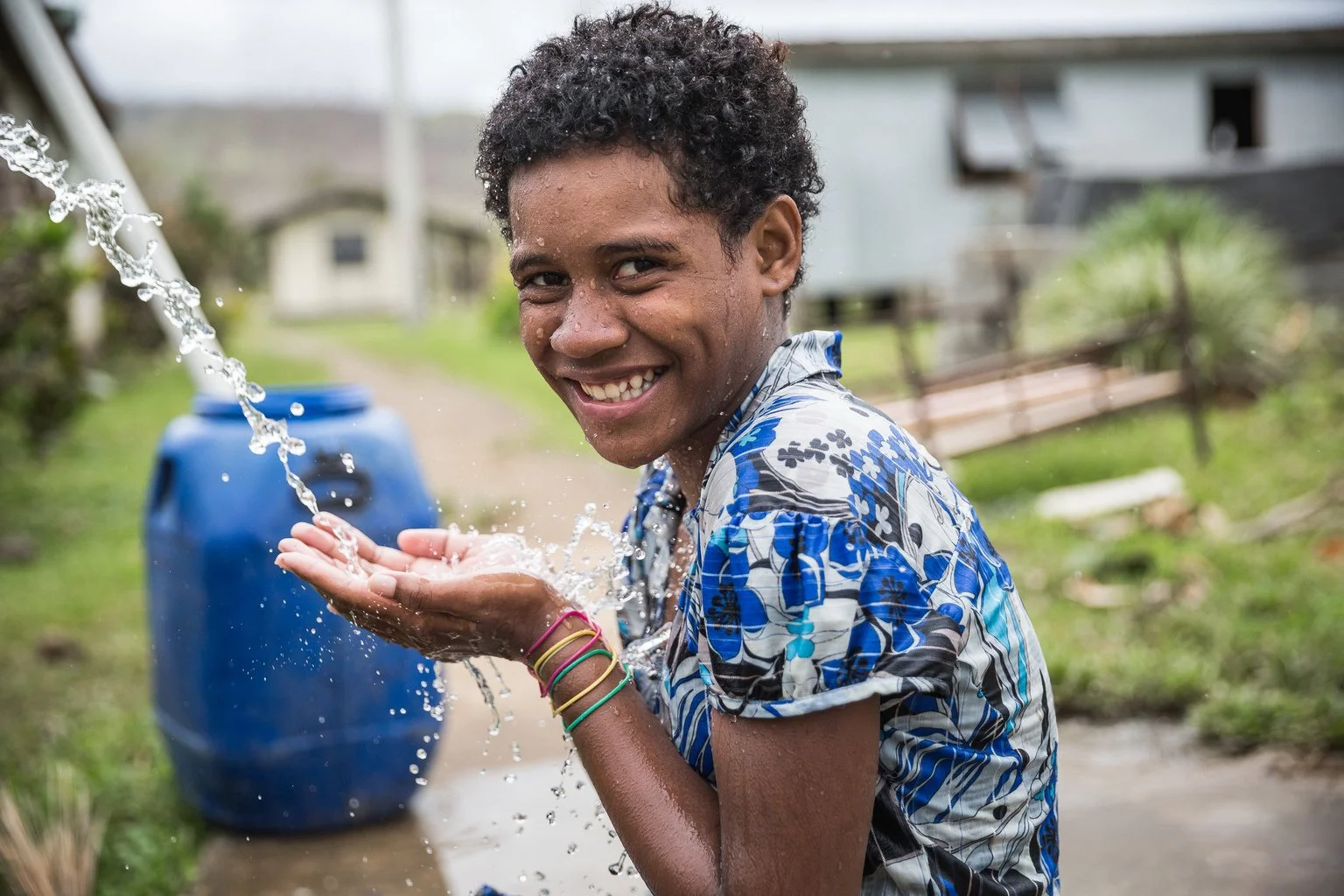
Maasai families across the border of Kenya and Tanzania
🇰🇪 Kenya 🇹🇿 Tanzania
👥 416 people
📍Shompole
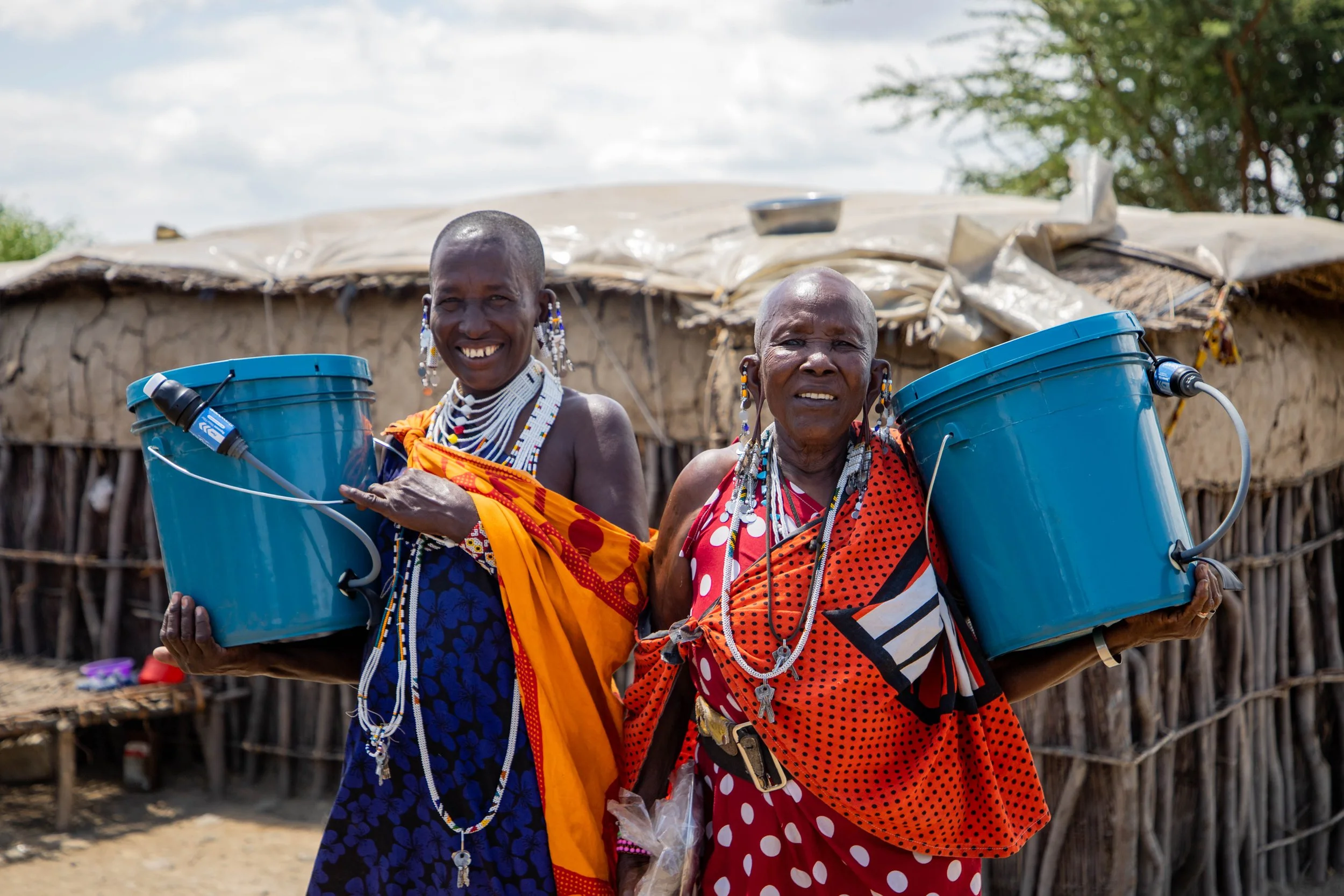
On the border of Kenya and Tanzania sits Shompole, a small trade hub for the Maasai people. Here, life still follows ancient rhythms: families live in bomas built from thorns, mud, and thatch; wealth is counted in livestock; and men walk for days across the plains to graze their herds.
But there’s one rhythm that has always been broken—the rhythm of water.
During the dry season, the river slows to a trickle. Families dig into the sandy riverbed, hoping to scoop out enough for survival. During the rains, the river swells again, but it is shared with livestock and passing wildlife, leaving it unsafe for human use. In Shompole, water has always meant compromise: health for thirst, risk for survival.
Thanks to you, that is changing.
About the Filters
Through your support, The Bucket Ministry has begun distributing Sawyer PointONE filters to families in Shompole. Simple to use—just a five-gallon bucket and a filter—yet powerful enough to remove bacteria, parasites, and other contaminants, each filter can provide 20+ years of clean, safe water.
For the first time, families no longer have to choose between drinking contaminated water or going without. Children can grow up healthier, mothers can care for their families with dignity, and elders can rest knowing water is no longer a daily danger.
And beyond the water itself, something even greater is happening. Each filter, delivered by local pastors and missionaries, has opened doors for trust, hope, and connection in this remote community.
Pommerin Primary School
🇹🇿 Tanzania
👥 689 people
📍Iringa
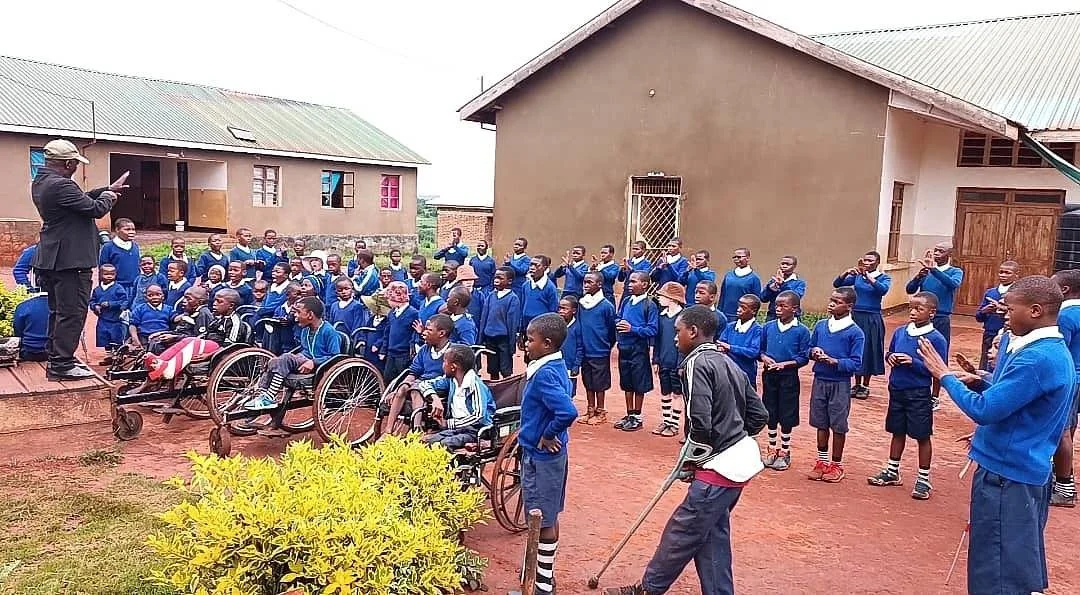
Pommerin Primary School, located in Tanzania’s Iringa region, serves 689 students—including 111 with special needs. With 22 trained teachers and a dedicated Special Education Unit, the school is a model of inclusive education, supporting children with disabilities such as hearing, visual, and physical impairments.
However, the school faces serious water shortages. There is no reliable access to safe drinking water, affecting hygiene, sanitation, cooking, and cleaning. This puts all students—especially those with special needs—at risk for illness and disrupts learning. At times, students must walk long distances to fetch water from shared village sources, often waiting in long lines and missing class as a result.
To address this, we’re partnering with H2O for Life Schools and St. Paul Partners to install a shallow borehole with a hand pump on school grounds. This project will provide clean, accessible water for all students and staff—improving health, reducing absenteeism, and ensuring every child can learn in a safe and supportive environment.
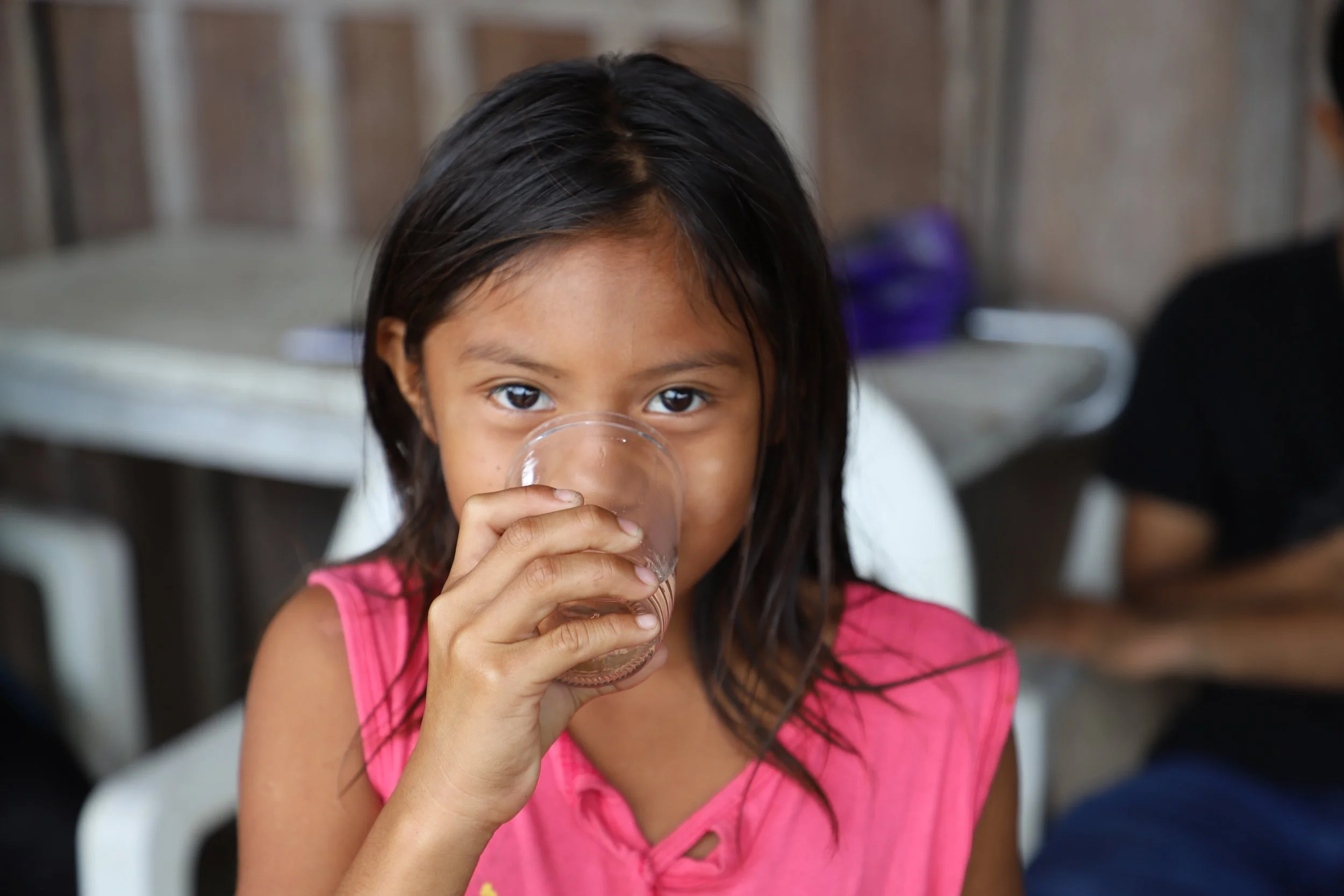
Access to water is a human right. By meeting this basic need, we help unlock every student’s full potential.
20 Families across the Amazon Rainforest
🇵🇪 Peru 🇧🇷 Brazil
👥 71 people
📍Amazon Rainforest
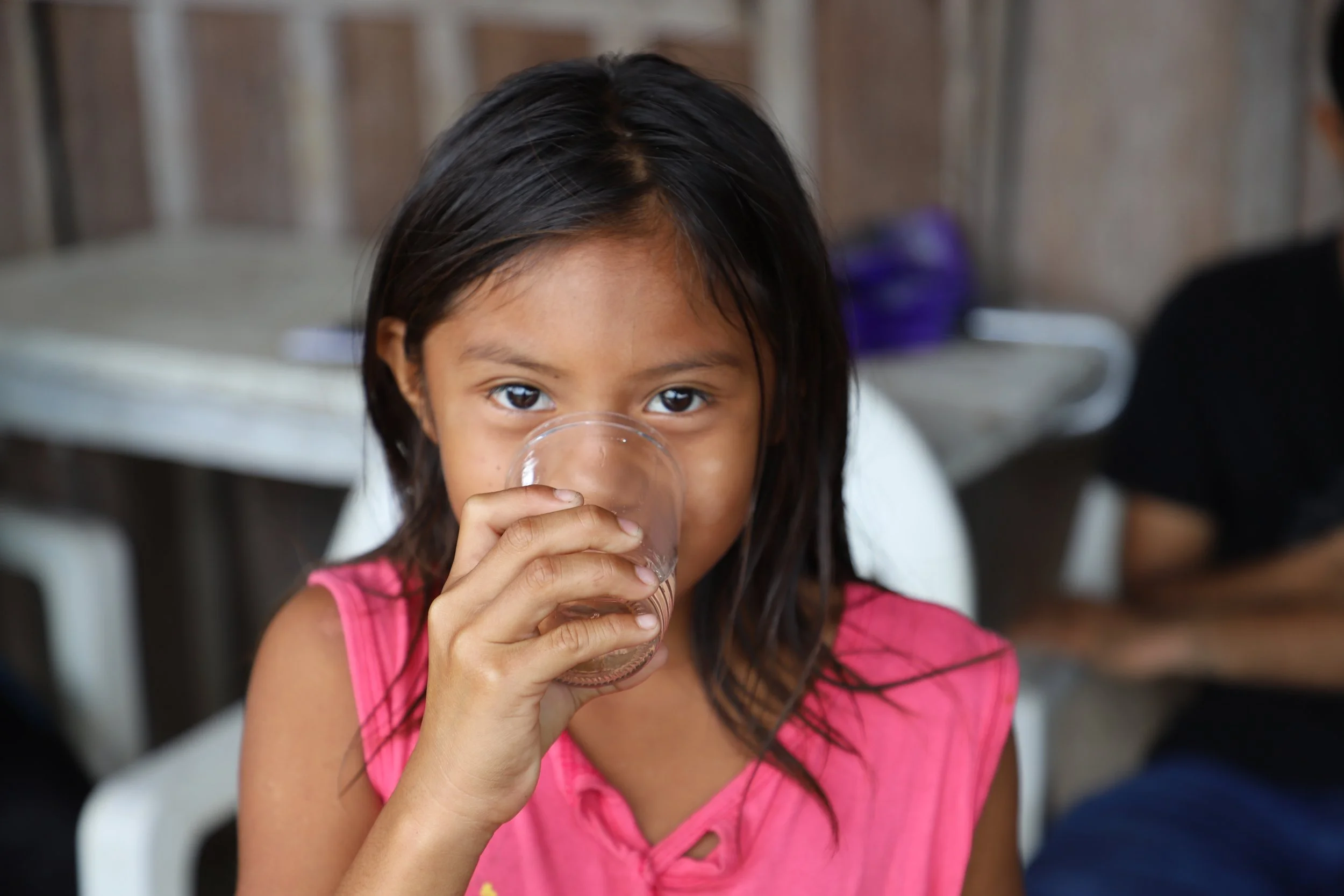
The Bucket Ministry supports local missionaries, pastors, and laborers from within the very community they’re serving.
About the Filters
Sawyer PointONE Hollow-Fiber Membrane Filter or the Sawyer “Squeeze” Filter are provided for individual homes. These filters effectively remove all bacteria, parasites, protozoa, cysts, eggs, and other harmful particulates from unclean drinking water. It attaches to virtually any water receptacle, but they use five-gallon buckets for their simplicity and commercial availability.
The filter serves as a key that opens previously locked doors and helps establish immediate relational equity with the recipient. Families across the Amazon Rainforest have received filters with 71 people gaining access to clean, safe drinking water.
Navajo Nation Cistern Service: 50 Families
🇺🇸 USA
👥 200 people
📍AZ, NM, UT
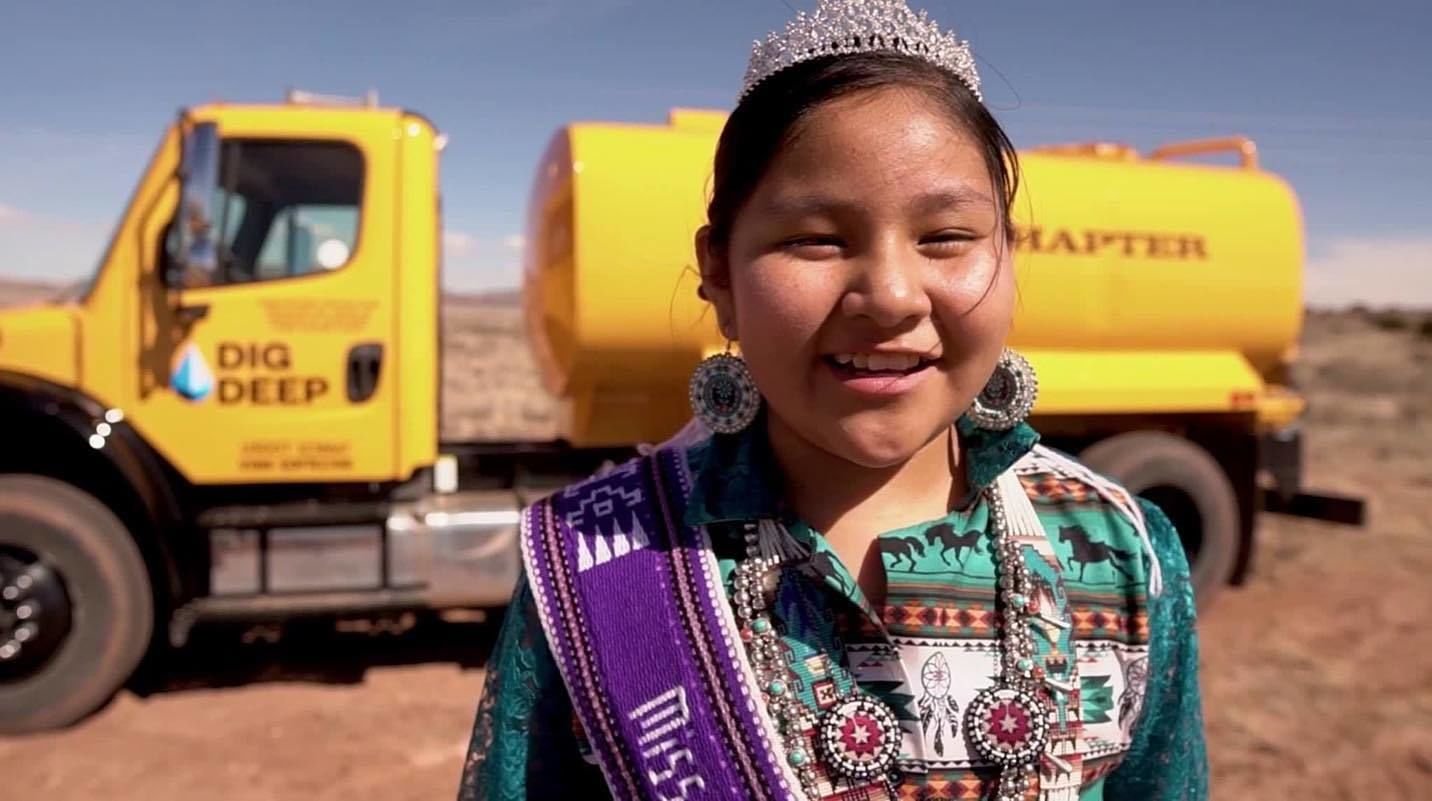
The families the implementing partner, DigDeep, serves are some of the most vulnerable to coronavirus in America. They struggle to wash their hands and bodies. They are forced to break social distancing to haul water. They live far from healthcare facilities. COVID-19 has upended the lives of all Americans, and that includes our friends and family across the Navajo Nation.
DigDeep developed a “suitcase system” as a pandemic-related innovation... used as a means to get the majority of a Home Water System installed at people's homes so they had a faucet just outside when their staff couldn't safely work inside the home for health and safety reasons. DigDeep has now resumed its full Home Water System installations and is converting all of the "suitcase systems" into full Home Water Systems (piping the water indoors for household plumbing)!
SOUTH SUDAN SCHOOL 6
🇸🇸 South Sudan
📍South Sudan
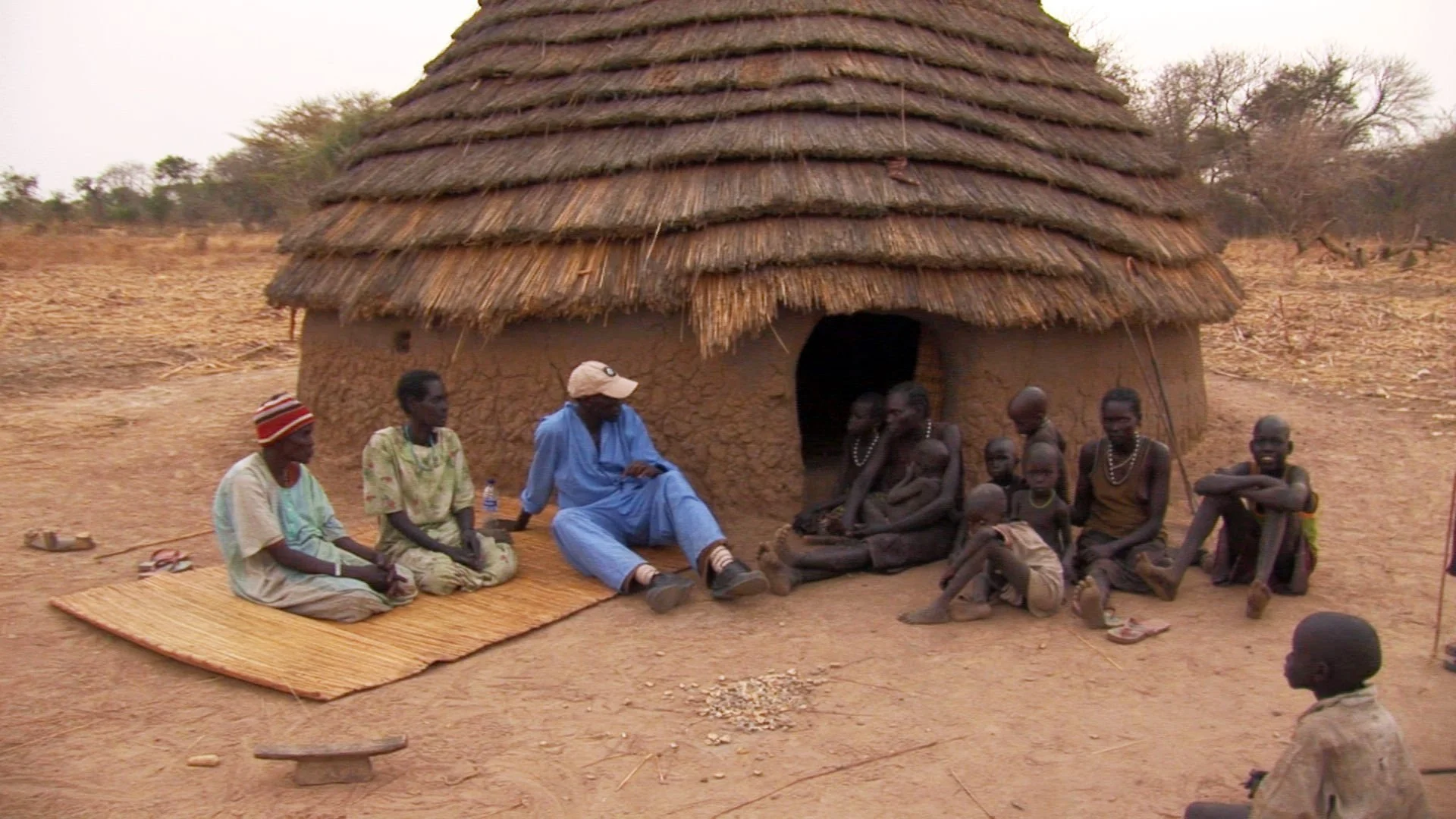
In South Sudan, millions of women and children trek for up to eight hours a day to collect water from marshes, ditches, or hand-dug wells where water is often contaminated with parasites and bacteria. The results are sickness, even death. By providing access to clean, safe water and facilitating hygiene education, the seeds for growth are sewn. Once a well is drilled, schools, markets, and clinics spring up in the coming years, and life changes, especially for women and girls.
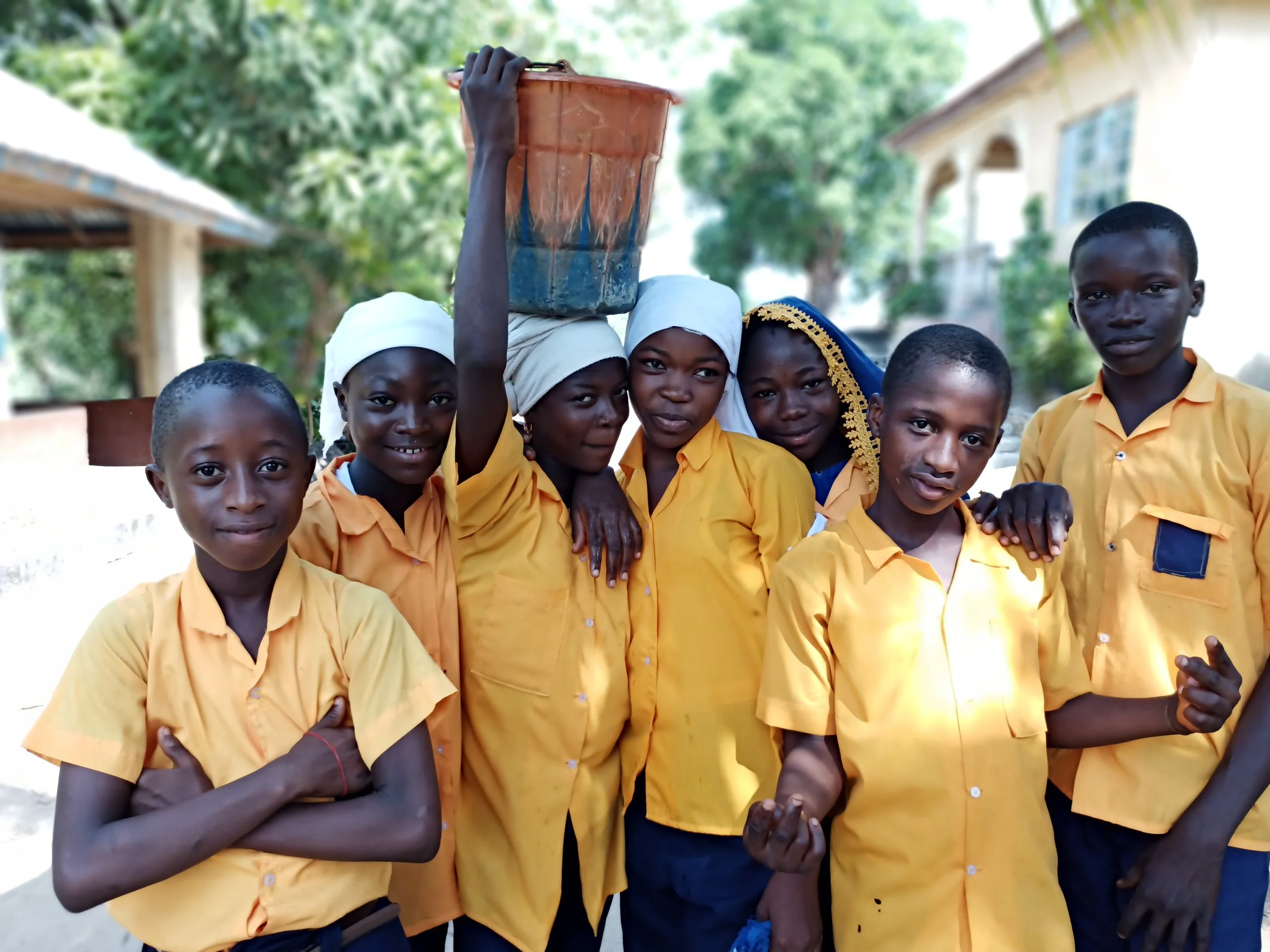
Kankalay Islamic School
🇸🇱 Sierra Leone
👥 1,800 people
📍Malap
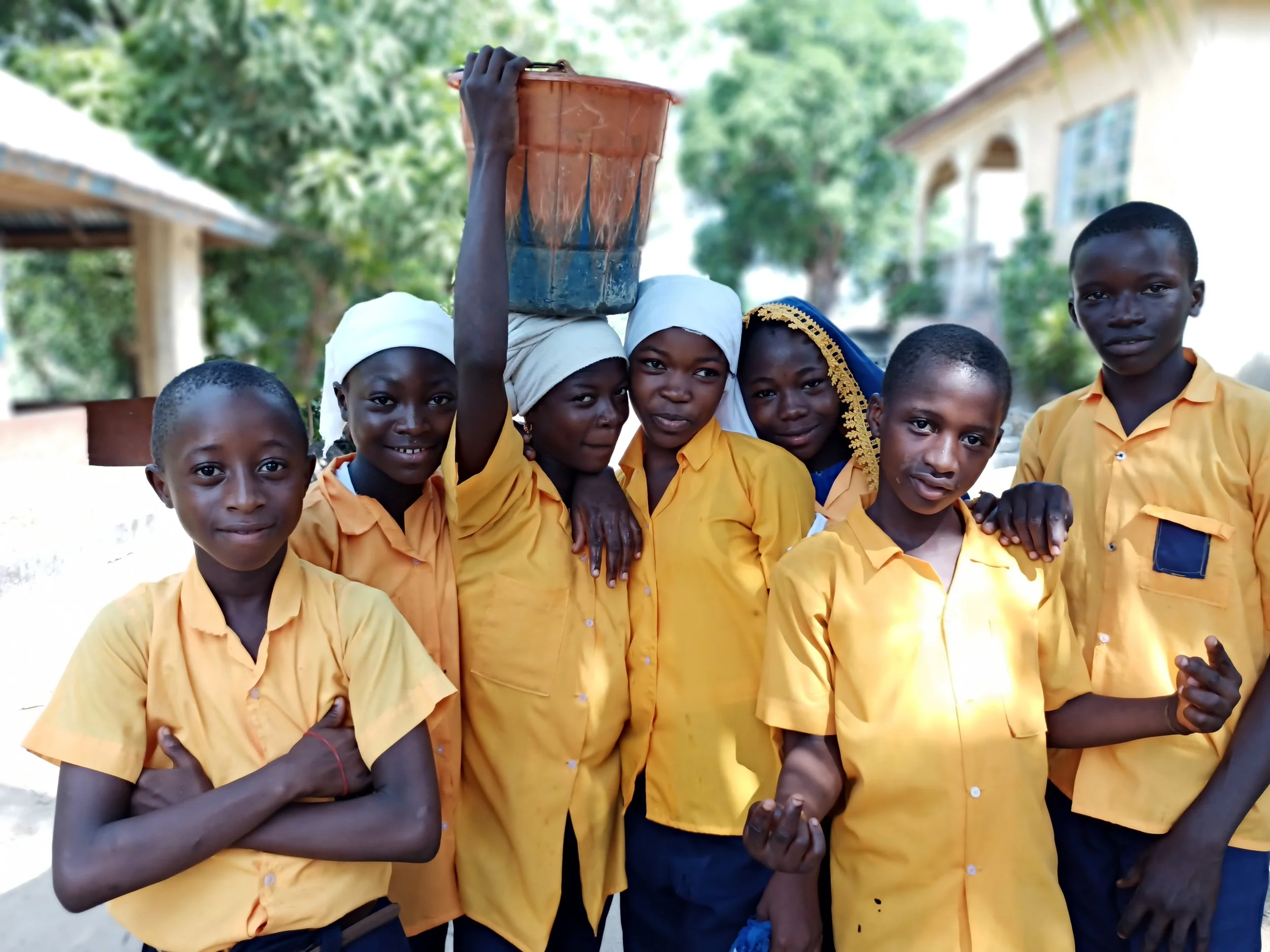
Founded in 1982, Kankalay Islamic School is an infant, primary, and secondary school in Sierra Leone.
They currently have a water source on campus, but this source is a contaminated hand-dug well (a photo of this is included). This school is within reach of 1 of our implementing partners, Water4, NUMA Systems in Sierra Leone. Their team in Sierra Leone will be installing a Premium NUMA Now connection, a free first year of maintenance, and a hand washing station. The school would then be responsible to purchase water as they need.
Institution Wiljean Compere
🇭🇹 Haiti
👥 500 people
📍Limonade
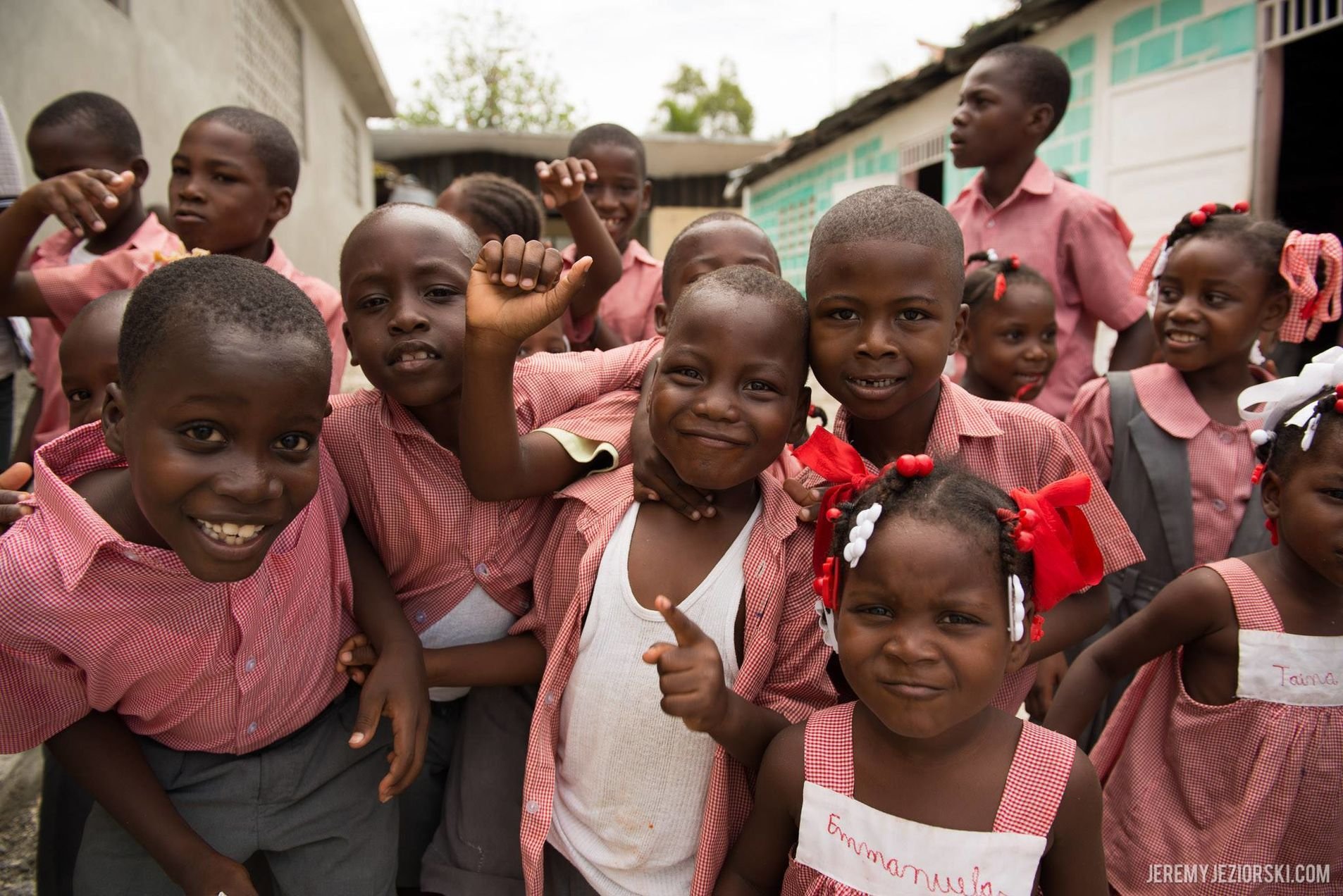
Institution Wiljean Compere will receive gender-specific bathrooms for students, a private bathroom for teachers, a shower to support student hygiene, and handwashing stations. The school will also receive hygiene education, menstrual hygiene education and bio-sand filters for access to safe drinking water.
The 500 students in this school will be able to utilize this handwashing station as they practice proper hygiene habits by washing their hands after playing outside, before eating and after using the restrooms. In addition, a portion of the funds donated will also assist with the educational training program we are developing for this school.
Iwindi Primary School
🇹🇿 Tanzania
👥 300 people
📍Iringa
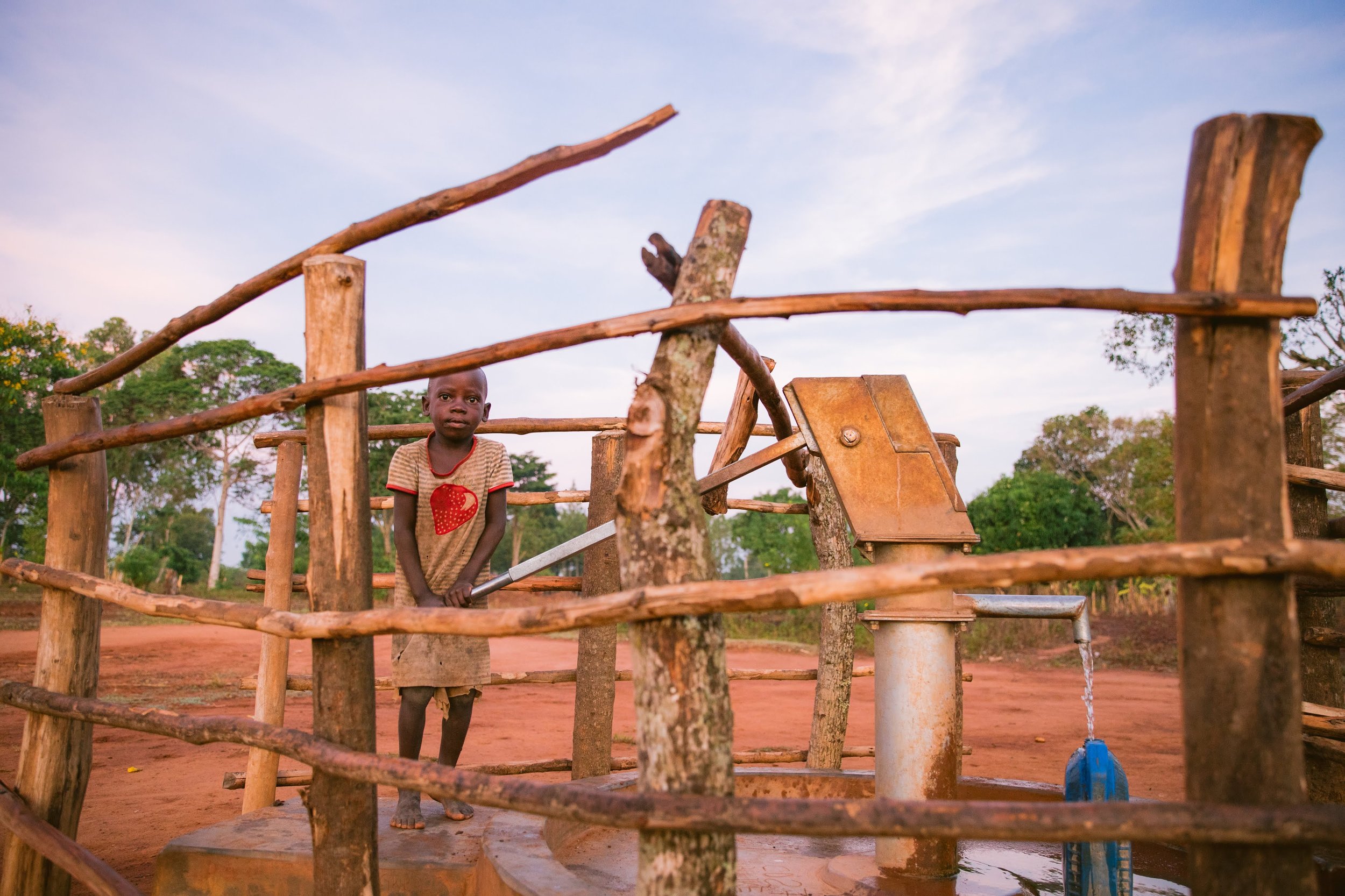
Iwindi Primary School is located in Kilolo district, Iringa, Tanzania. The school has an enrollment of 290 students (128 girls/162 boys) and 10 teacher/staff members. As with many villages and schools in Iringa, the lack of safe water for Iwindi School is a major problem.
Students are expected to fetch a bucket of water in the morning on their way to school, which doesn't last long. Several times throughout the school day, they are forced to walk 3 km's to a small river, which is shared with cattle, to fetch unsafe water. Students typically end up spending more time fetching water and recovering from waterborne illness than they do studying, leading to poor performance on their exams. The school desperately needs access to safe water in order to meet their needs for drinking, washing hands, cooking and cleaning.
The overall objective of this project is to provide access to clean water for the students at Iwindi Primary School. Our implementing partner, St. Paul Partners (SSP), will install a borehole well located directly on the school compound. This will ensure students have access to enough safe water which will lead to more time in the classroom studying. Access to safe water will also have significant impact on the health of the students, teachers and neighbors around the village.
Mtitu Primary School
🇹🇿 Tanzania
👥 526 people
📍Iringa
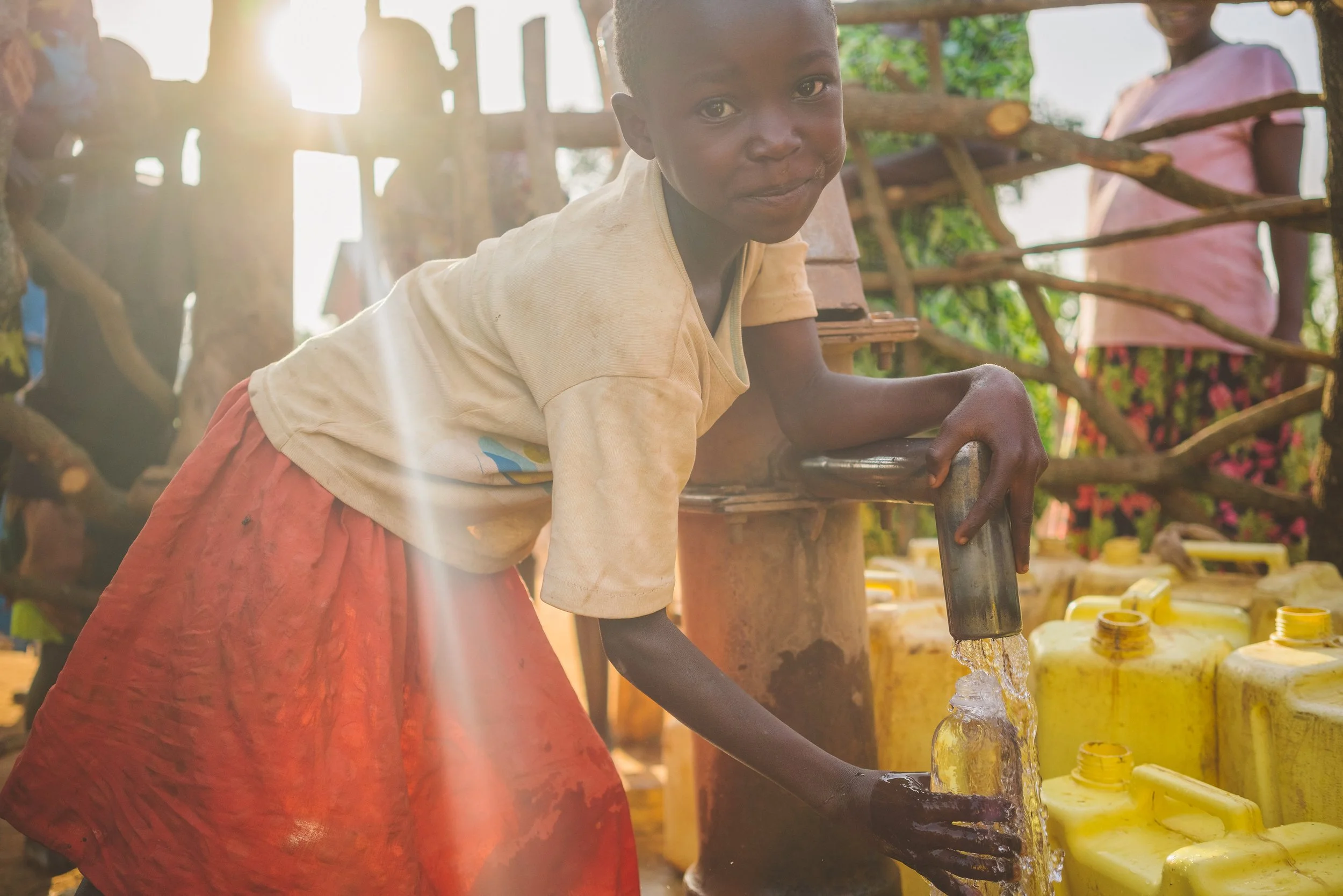
Mtitu Primary School is located in Kilolo district, Iringa, Tanzania. The school has an enrollment of 515 students (278 girls/237 boys) and 11 teacher/staff members. As with many villages and schools in Iringa, the lack of safe water for Mtitu School is a major problem.
Currently, the school depends on harvesting rainwater during the rainy season. The rest of the year, students are expected to fetch water, several times per day, from streams or a hand dug well almost 5 km's away. The streams around the village are shared with livestock and very polluted. Students typically end up spending more time fetching water and recovering from waterborne illness than they do studying, leading to poor performance on their exams. The school desperately needs access to safe water in order to meet their needs for drinking, washing hands, cooking and cleaning.
The overall objective of this project is to provide access to clean water for the students at Mtitu Primary School. Our implementing partner, St. Paul Partners (SSP), will install a borehole well located directly on the school compound. This will ensure students have access to enough safe water which will lead to more time in the classroom studying. Access to safe water will also have significant impact on the health of the students, teachers and neighbors around the village.
28 Ugandan WASH Projects
🇺🇬 Uganda
👥 14,022 people
📍Various locations
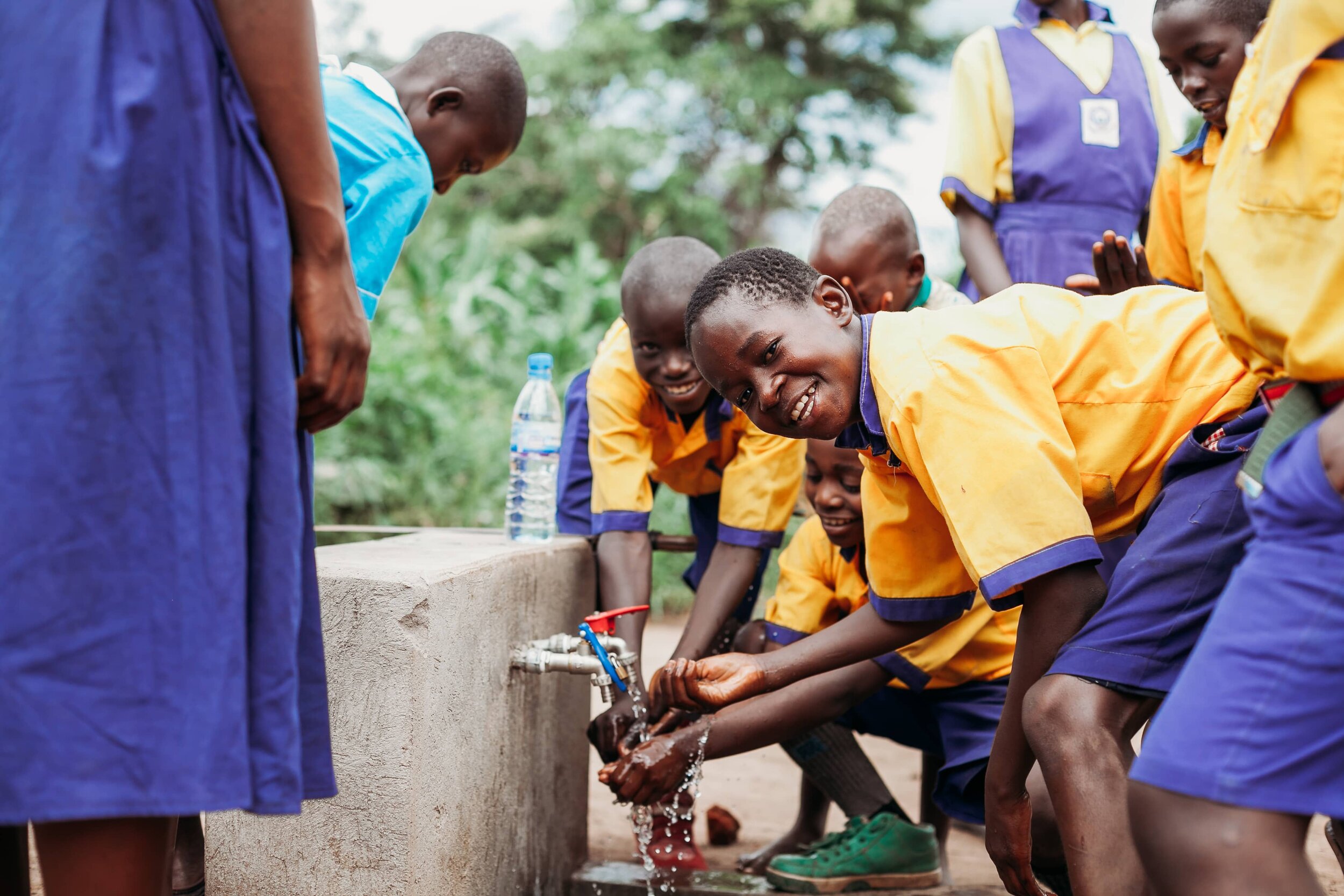
Check out some of the 28 total projects made possible through your generosity and support!
School 1 — Kabumba Borehole:
Kabumba Borehole sits in the center of town but everyday since holes in its pipes and a broken cylinder caused it to fall into complete disrepair, the 350 men, women, and children who once relied on the abundant clean water it produced must walk past it on their way to collect surface water from a shallow well. While the quality and inconsistent supply of this water poses a threat to the health of the community–livestock often drink directly from the water's surface and the source often runs dry–the walk to the shallow well itself is also dangerous. Along the way, people, including young children, must cross roads with busy traffic, walk through dense vegetation where snakes and other animals can hide, and climb steep slopes. By restoring Kabumba Borehole to working order, you will equip the Kabumba community with clean, safe water year-round.
School 2 — Menvu 4 Borehole:
Rusty pipes and worn out bearings have left Menvu 4 Borehole partially functional but in urgent need of rehabilitation before it completely breaks down and leaves the 300 community members who rely on it with no alternative water source other than the notoriously unreliable piped water network. By dismantling the well, upgradings its rusty pipes to stainless steel ones, replacing broken parts, and installing a new pump head, you can ensure that the strong clean water yield from Menvu 4 Borehole does not go to waste.
School 3 — St. Mary's Kabonge Orthodox Borehole:
Located on the premises of St. Mary's Orthodox Primary School but serving members of the broader Kabonge community, the St. Mary's Kabonge Orthodox Borehole has fallen into partial disrepair as its pipes, rods, and cylinder rusted and worn down. Now, more than 500 people must supplement the water from this well with an alternative source that runs dry frequently throughout the year. With so many people relying on the clean water it produces and the school's increased need for clean water for handwashing during the COVID-19 pandemic, it is critical that the school's well be rehabilitated and restored to perfect working order before it breaks down fully.
School 4 — Nabinene Borehole:
Serving three different communities, the Nabinene Borehole provides clean water for 1,000 people and is widely recognized to be the safest source in the area. As its pipes have rusted and developed holes, however, many people have been forced to supplement its failing water supply with water from other nearby wells–none of which flow with clean water year round. Due to the huge number of people relying on its once-trusted water supply, it is critical that the Nabinene Borehole be restored before it falls into complete disrepair.
School 5 — Nakawero Borehole:
After providing clean, safe water to 438 people in Nakawero for more than a decade, the Nakawero Borehole has recently developed severe issues with its pipes, leading concerned community members to remove them as a preventative measure from further degradation. Now, households and students from the nearby primary school must make the dangerous walk to a distant and contaminated protected spring, where sexual harassment, assault, muggings, and other crimes have been reported. Given the risks associated with using the protected spring, it is imperative that the Nakawero Borehole be rehabilitated so that community members regain safe and convenient access to clean water.
School 6 — St. Francis Primary School Borehole:
While the St. Francis Primary School Borehole once provided ample clean water not only to the students and staff of the school, but also to community residents and members of the nearby church, water has since ceased flowing from the well. With no alternative source of clean water beyond a nearby rainwater collection system that cannot adequately supply enough water for the 391 people served by the well, the St. Francis Primary School Borehole must be rehabilitated in order to restore abundant clean water access to the Bulindo community.
School 7 — Menvu Borehole:
As its pipes rusted and slowly developed holes, Menvu Borehole fell into partial and left the 500 men, women, and children who rely on it for their clean water needs without an reliable or safe alternative. Traditional wells, runoff pits, and ponds can be found, but community members report often seeing livestock animals drinking directly from them. Additionally, the steep paths through dense vegetation that people and young children must walk in order to access these sources present an immediate challenge to htee health and wellbeing of the community. By rehabilitating Menvu Borehole, you can restore clean water access to the 500 people who have relied on the well for years.
School 8 — Menvu Borehole (2):
Serving 500 people from multiple communities, the Menvu Borehole (2) is in immediate need of rehabilitation as its pipes have rusted and developed holes, leaving the well only partially functional. Now, men, women, and children must walk long distances across roads, through traffic and dense vegetation, and along steep paths to reach water that is not safe to drink. Rehabilitating the Menvu Borehole (2) will restore convenient and reliable access to safe, clean water for the members of the Menvu-Luteete community.
School 9 — Kiwenda Borehole:
After developing leaks in its pipes and becoming nearly impossible to pump, the Kiwenda Borehole has become nearly unusable for the 500 people who once relied on it for all of their water needs. With no other options in the area, community members must walk through traffic and dense vegetation to the distant pond and wait up to an hour to collect contaminated water. By upgrading the Kiwenda Borehole's materials and replacing broken parts, you can restore clean water access to the 500 men, women, and children of Kiwenda Nazaleezsi.
School 10 — Nabitalo Primary School Borehole:
For more than two years, the Nabitalo Primary School Borehole has sat in total disrepair as 200 students and staff have been forced to walk to a distant runoff pit to gather enough water for the school day. Along the way, young children walk through dense vegetation where they become vulnerable to snakes and other animals. Once they reach the runoff pit, they often find animals drinking from the same water they are about to collect. To restore clean water access to Nabitalo Primary School and promote bright futures for the children it educates, the school's borehole well must be rehabilitated.
School 1 1 — Nabitalo Borehole:
After their community's borehole well broke down, 400 people in Nabitalo have had to rely on a protected spring for their water needs. In addition to the high risk of contamination from this water, accessibility has proven to be a significant challenge. Located on private property that can only be reached after a long walk through traffic, dense vegetation, and along steep paths, the protected spring cannot sustain the growing water needs of the community and nearby school. Rehabilitating the Nabitalo Borehole will ensure that the 400 children, women, and men have consistent safe and reliable access to clean water.
Navajo Nation: 5 Water Storage Tanks
🇺🇸 USA
👥 25 people
📍New Mexico
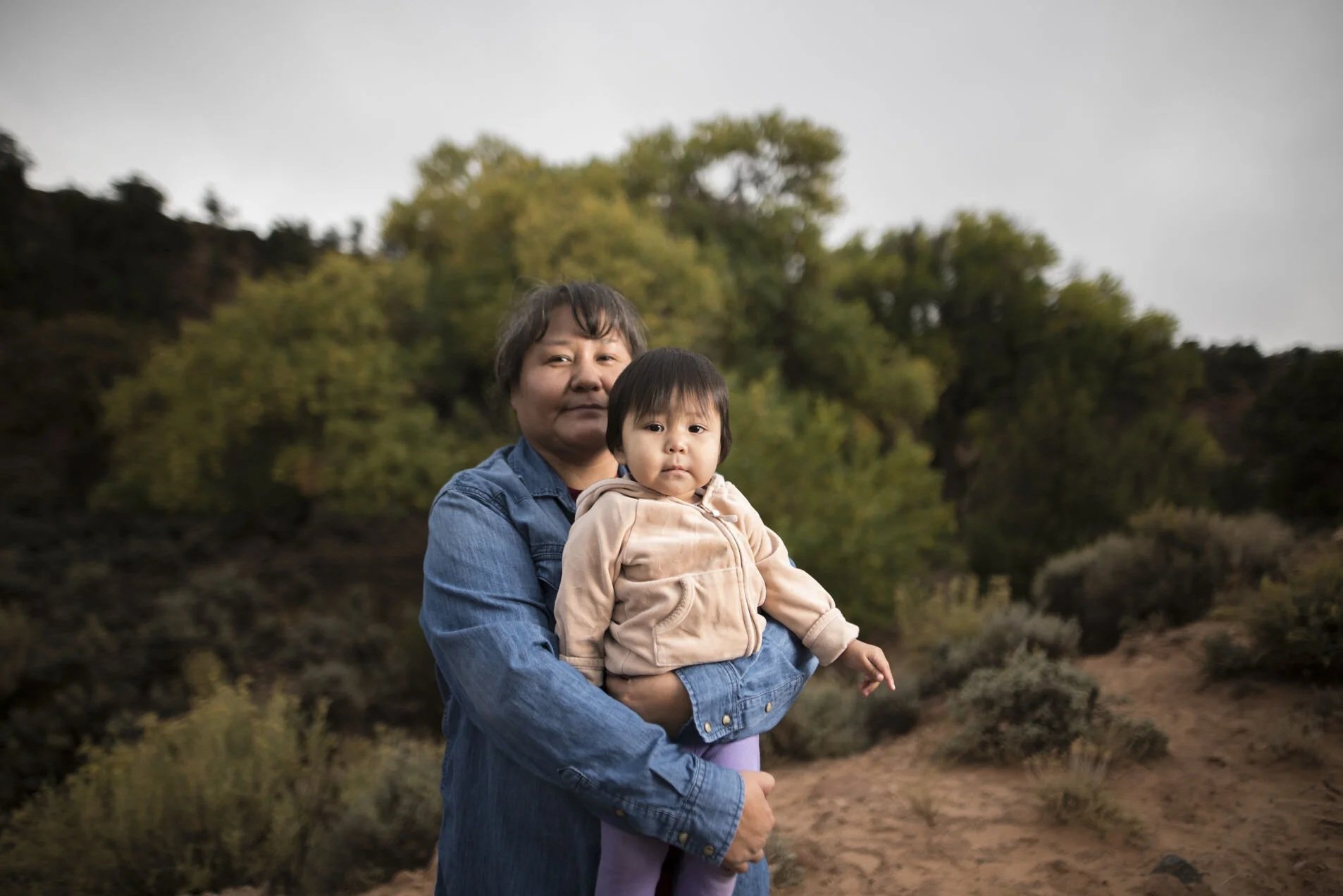
Now more than ever, every American deserves the right to stay home and stay safe. Clean water makes that possible.
The families our implementing partner, DigDeep, serves are some of the most vulnerable to coronavirus in America. They struggle to wash their hands and bodies. They are forced to break social distancing to haul water. They live far from healthcare facilities. COVID-19 (novel coronavirus) has upended the lives of all Americans, and that includes our friends and family across the Navajo Nation.
In light of COVID-19, we are providing families who do not yet have a Home Water System with 275 gallon water tanks that DigDeep will connect to their water trucking routes. This intervention includes the tank, set up, and weekly or biweekly water deliveries as families await Home Water System installation. Moving forward, the Navajo Water Project plans to continue giving families these tanks prior to Home Water System installation as a short-term solution to providing for their water needs.
Kasengejje Secondary School
🇺🇬 Uganda
👥 800 people
📍Wakiso
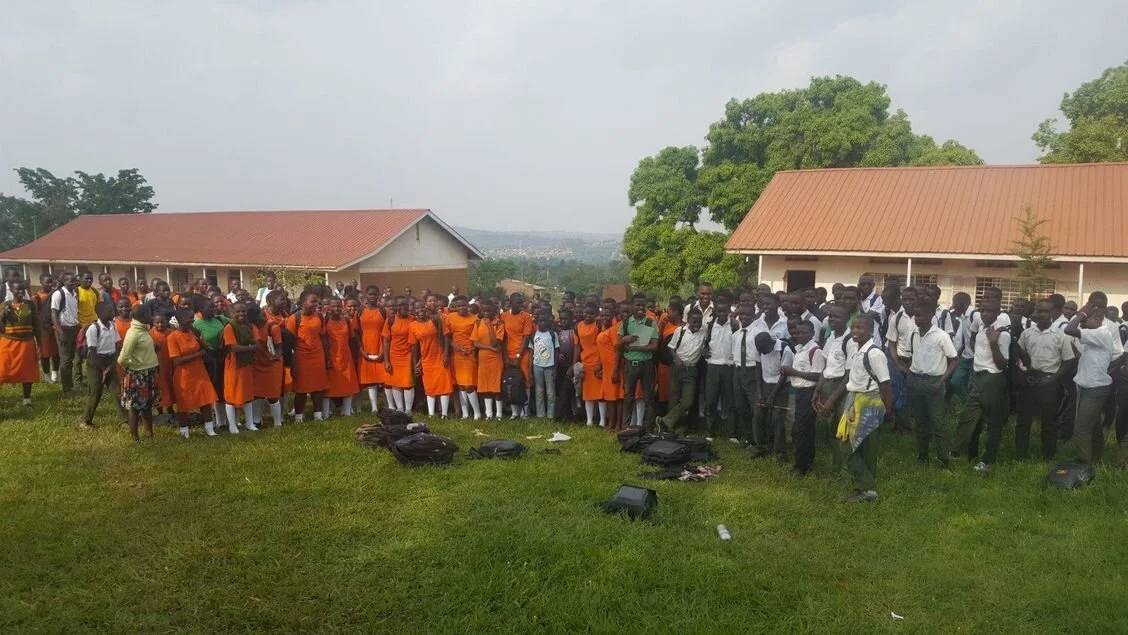
Although Kasengejje Secondary School is connected to a piped water network, the roughly 800 students in the Wakiso TC community that it serves regularly go without clean water. The reason? The reservoir connected to the piped water network regularly runs dry and cannot support the water demands of the many communities it is connected to. As a result, multiple days each week, students and staff go to turn on the faucet at the school and find no water available that they can use to drink, wash hands, clean, or cook. By equipping Kasengejje Secondary School with a rainwater collection system, students can gain consistent access to their most critical school supply: Clean Water!
The implementing partner, The Ugandan Water Project, will erect a 10,000-liter polyethylene tank on a base made of brick, hardcore, and cement. The rainwater collection system will be paired with four Sawyer Point One water filters in order to ensure that all water collection from the tank will be safe for drinking.
Ndejje Parents’ Infant School
🇺🇬 Uganda
👥 250 people
📍Nyimbwa
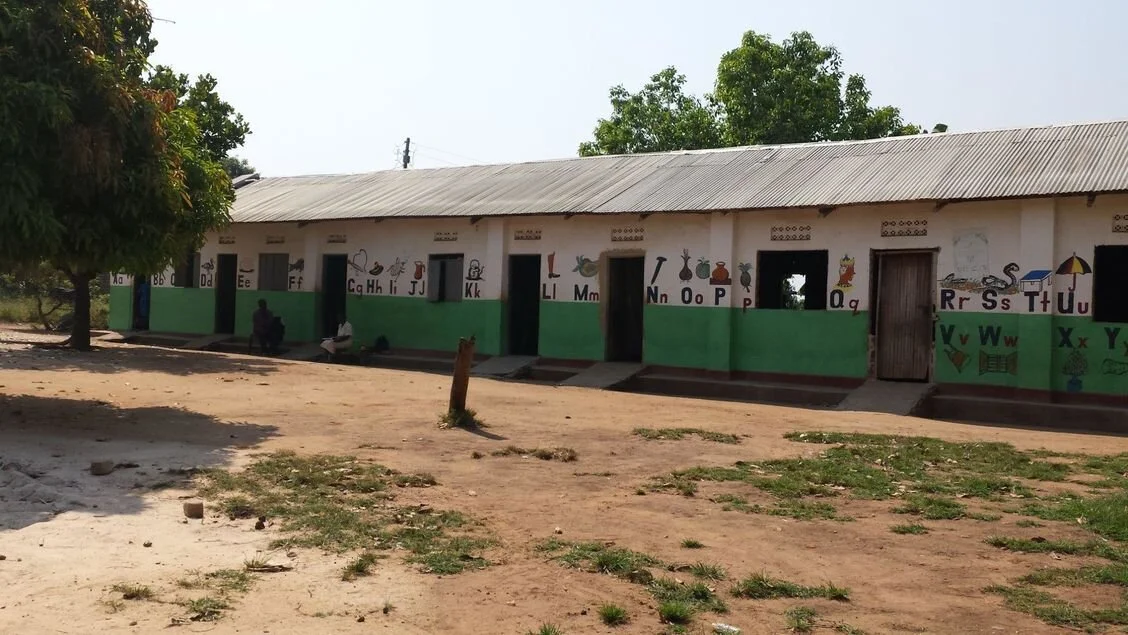
Ndejje Parents’ Infant School serves 250 students in the Nyimbwa community. Although the school has piped water in its facilities–a rarity among schools in Uganda– the network is highly unreliable and water can be shut off for days at a moment’s notice. When this happens, the students and staff are forced to either collect contaminated water from a shallow well in the area or threaten the ability of a nearby school to meet the water needs of its own students by asking for water from the neighboring facility’s supply. By equipping Ndejje Parents’ Infant School with a rainwater collection system, we will release the school body from its unstable water supply and ensure that the young students and staff members can store up on clean water to help them weather periods when their piped network is shut off.
The implementing partner, The Ugandan Water Project, will erect a 10,000-liter polyethylene tank on a base made of brick, hardcore, and cement. The rainwater collection system will be paired with four Sawyer Point One water filters in order to ensure that all water collection from the tank will be safe for drinking.
Wakiso Secondary School for the Deaf
🇺🇬 Uganda
👥 250 people
📍Wakiso
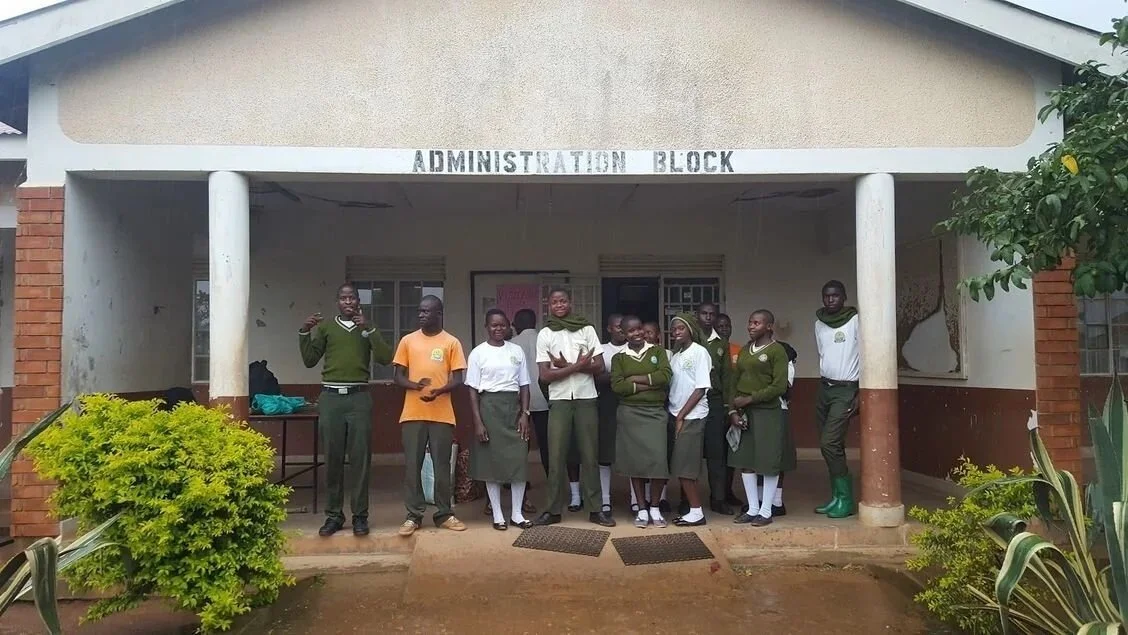
Wakiso Secondary School for the Deaf already has a rainwater collection tank attached to their facility, but its supply simply isn’t sufficient to provide adequate water for the washing, cooking and drinking needs of the students and staff.
In fact, the 250 students and staff who rely on it report that the tank is empty at least one day each week. Given the challenges already facing these students due to their learning differences, ensuring that they have sufficient clean water by adding a second rainwater collection system to the school’s facilities will be a vital step in empowering the students to succeed in their educational aspirations and secure a bright future.
The implementing partner, Ugandan Water Project, will erect a 10,000-liter polyethylene tank on a base made of brick, hard core, and cement. The rainwater collection system will be paired with four Sawyer Point One water filters in order to ensure that all water collection from the tank will be safe for drinking.
Wayuu Primary School
🇪🇹 Ethiopia
👥 348 people
📍Nensebo
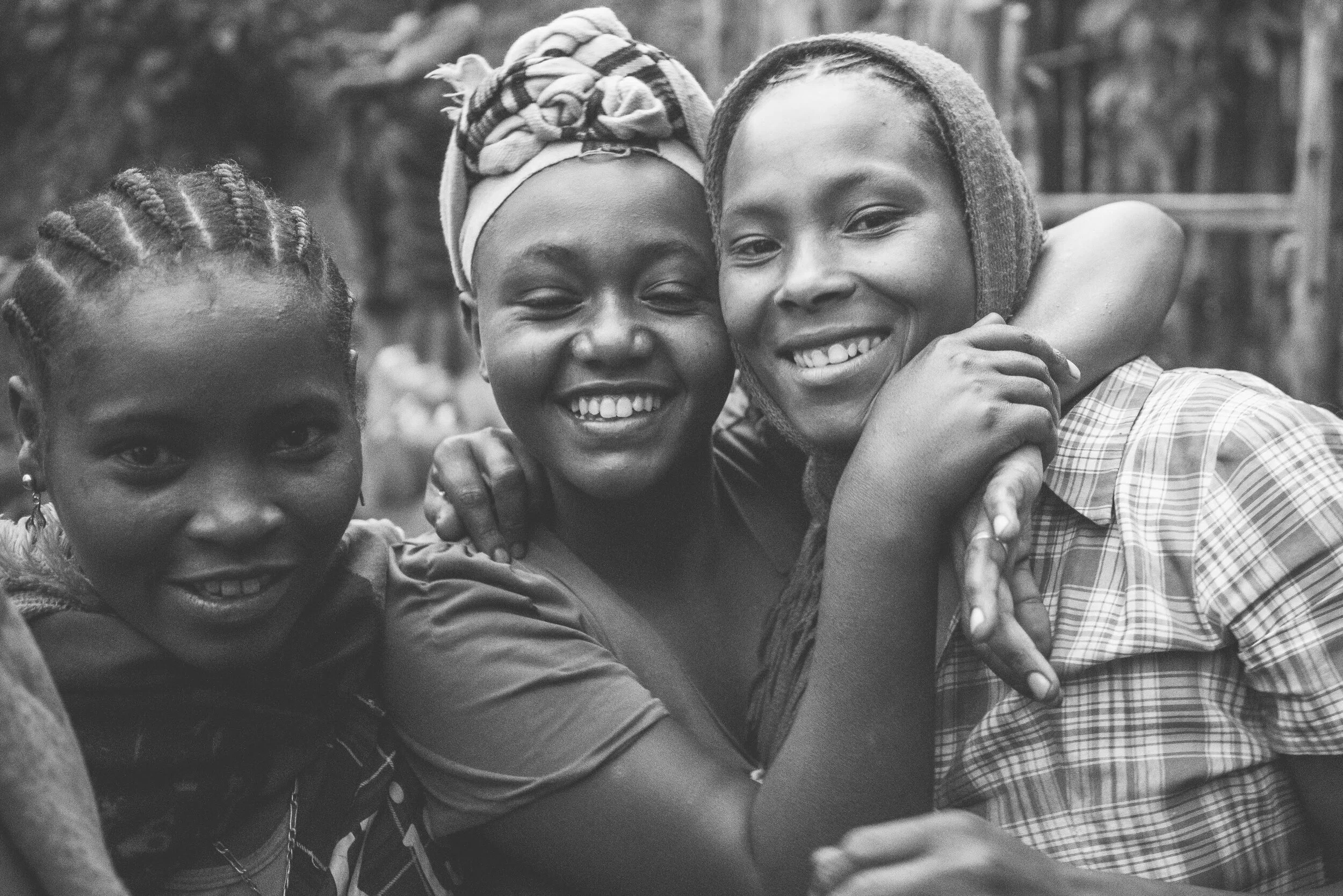
Children at Wayuu Primary School have big dreams. Some want to be doctors, nurses, and pilots. Others just want to do what they can to help their families out of poverty. Parents are eager to help their children succeed. Many have already contributed to help build more permanent classroom structures, and they agree that education will provide opportunities for their children that they never had.
For the 348 students who attend Wayuu, education is a daily challenge. Because there’s no safe water on school grounds, students have to fetch drinking water from a nearby river. The school does not have any bathrooms, so students and teachers must wait all day or use the fields surrounding the school. This makes it difficult for students to focus on their schoolwork and creates an unsanitary environment. There is no place to wash their hands and lessons on sanitation and hygiene are not currently taught. For teachers and students, this information simply isn’t widely available in the area. Students suffering from painful bouts of waterborne illnesses constantly pass them from one peer to another.
The implementing partner, Lifewater International, will send health experts to train teachers on life-saving hygiene and sanitation practices which the teachers will integrate into their curriculum. Lifewater’s construction team will get to work building long-lasting, drainable bathrooms and permanent handwashing stations attached to rainwater harvesting tanks.
Luis Daniel Fonseca School
🇭🇳 Honduras
👥 13 people
📍El Canton
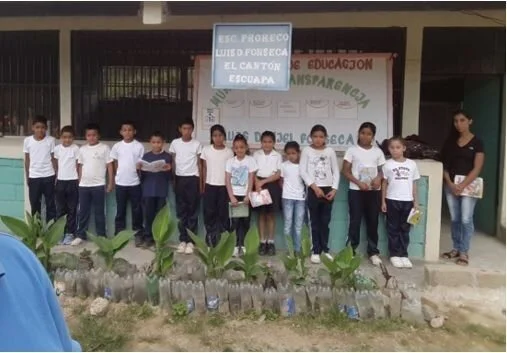
Escuela Luis Daniel Fonseca is located in the Community of El Canton, in the Municipality of Danli in El Paraiso. The school has piped water, but it’s untreated and not safe to drink. There is only one latrine which is in terrible condition and the children have no place to wash their hands.
Edy Dinora Figueroa began teaching there in August, 2019. She explains that she is trying to recover the enrollment as last year it dropped to only 13 students. Many students left for another school much further away due to the poor water and sanitation conditions. She says that a WASH (water, sanitation and hygiene education) intervention will motivate the parents to allow their children to once again attend their community school.
The WASH (Water, Sanitation and Hygiene Education) project at Escuela Luis Daniel Fonseca, of which H2O for Life will provide 50% of the funding, will provide the school with sustainable access to clean water and sanitation. They will receive training and mentoring on how to integrate WASH into the school curriculum. Students will receive hygiene training as well as menstrual hygiene management training. The school will receive a biosand water filter, gender specific latrines and a handwashing station. Our implementing partner, Pure Water for the World, will also monitor this community, at regular intervals, to measure impact and support the program’s long-term sustainability.
"Vision of a Healthy Village" (VHV) and WASH University
🇹🇿 Tanzania
👥 837 people
📍Shinynaga
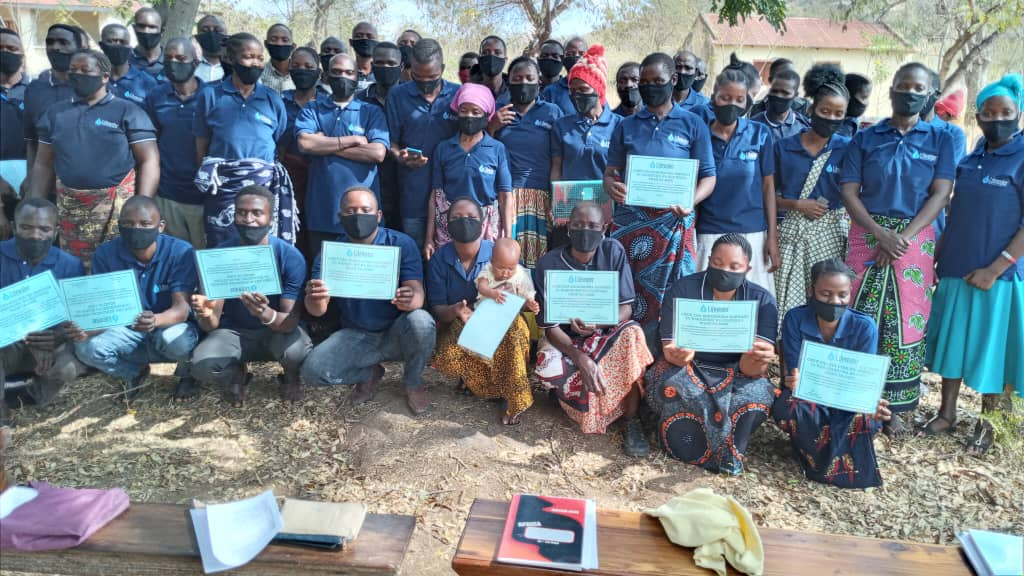
Shinynaga project 1 began in January 2021, starting with WASH U for all the program staff. The team then moved into the baseline study, Community-Led-Total Sanitation, and WASH Facilitator training. To date, 109 households have become Healthy Homes (this represents 837 people living in a Healthy Home). This number will continue to grow in the coming months as intensive community work continues. Construction is also underway. The first school latrine block rehabilitations are complete and a water system is also being rehabilitated at the moment (it will be completed before the end of 2021). Shinyanga project 1 is a 3 year project that will be completed by the end of 2023.
Kwanjora Primary School
🇰🇪 Kenya
👥 309 people
📍Nyandarua County
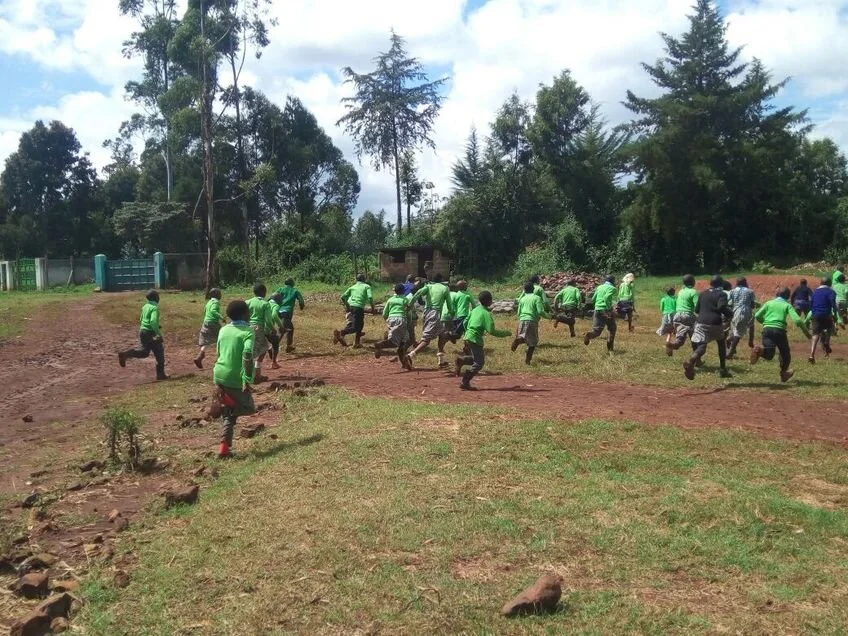
Kwanjora Primary School is located in Nyandarua County, Kenya. The climate is classified as semi-arid tropics with two rainy seasons (March-May) and (November-December). The school population is made up of 153 girls, 145 boys and 11 teachers.
The school has one old masonry tank (10m3) and one plastic tank (3m3) which stores water for only one month after the rains. Thus pupils fetch the water from a dam 500m from the school but this poses a risk for the pupils. Other times, pupils carry water from home for cleaning their classrooms, drinking and washing. The semi-permanent latrines were abandoned after getting filled or collapsing during the rainy seasons. The pupils rarely wash their hands due to inadequate water supply in the school. Pupils spend a significant amount of time fetching water and water borne diseases are a common health challenge thus low attendance (75-90%) and low self-esteem for teachers leading to below average academic performance in the final national examination (Kenya Certificate of Primary Education (KCPE).
Project Proposal: Upgrading of the school’s WASH infrastructure – construction of 75m3 masonry rainwater storage tank including a hand-washing unit and increasing the number of gender-segregated VIP latrines.